

Keyword research for online courses improves visibility, attracts motivated learners, and increases enrollments. Identifying high-intent search terms lets course creators align content with audience needs, enhance search rankings, and drive organic traffic. Targeted keywords connect educational offerings with students actively seeking specific skills, ensuring sustainable growth and higher conversion rates in a competitive e-learning market.
Keyword Research Essentials for Course Creators
Effective keyword research drives visibility, attracts learners, and improves enrollment rates. Selecting precise search terms ensures course content matches audience interests. Proper targeting strengthens reach, enhances search rankings, and supports long-term growth by connecting with students actively seeking educational opportunities.
Audience Targeting
Identifying the right audience ensures content reaches those most likely to engage. Tailored keyword selection connects courses with learners seeking specific subjects or skills.
Student Personas
Creating detailed learner profiles helps anticipate search behavior. Personas reflect experience level, interests, preferred format, and geographic location, guiding keyword and content decisions.
Learner Intent Analysis
Understanding what learners want clarifies which terms to prioritize. Informational searches indicate research, while action-driven queries suggest readiness to enroll. Aligning content with intent improves relevance and engagement.
Learn how to get more students for your courses! Read our blog to find simple SEO tips for course creators.
Revenue & Conversions
Targeted terms influence course enrollments, directly impacting revenue. High-intent searches convert faster, increasing sales for paid courses. Tracking conversion rates links keyword strategy to financial outcomes.
Course Sales Optimization
Organizing content around high-performing terms improves visibility and encourages sign-ups. Keywords that align with course value propositions boost enrollment likelihood.
Free vs Paid Course Targeting
Separating terms for complimentary offerings versus paid options clarifies targeting. Free resources build awareness and authority, while premium courses focus on conversion-driven keywords.
SEO Performance
Keyword-driven optimization strengthens rankings. Monitoring metrics like impressions, clicks, and position ensures content meets visibility goals.
Organic Traffic Growth
Accurate term selection increases natural search traffic. Sustained growth depends on regularly updating keywords and aligning content with evolving searches.
SERP Visibility
Optimized terms improve presence in search engine results pages. Clear headings, meta descriptions, and focused content increase chances of ranking higher for relevant queries.
Featured Snippets
Structuring answers for concise, question-driven responses boosts chances of appearing in featured snippets. This enhances credibility, drives traffic, and highlights course content in search results.
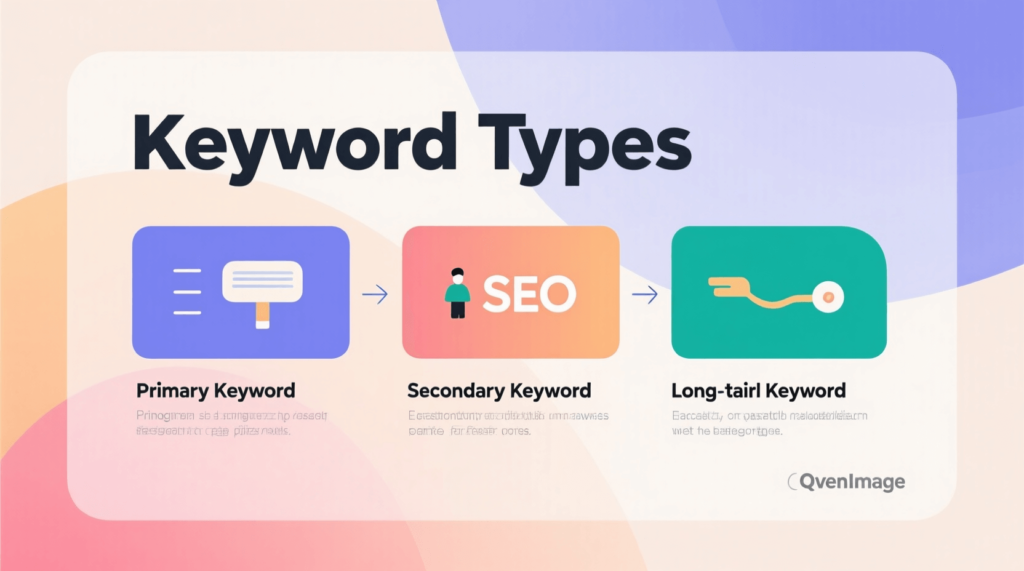
Keyword Types
Understanding different keyword types helps target students effectively. Each type serves a distinct purpose and aligns with specific search behavior. Proper selection improves visibility, engagement, and conversion for online courses.
Short-tail Keywords
Short-tail keywords are brief and broad. They often focus on general course topics or learning categories.
- Course topics: Terms like “Python course” capture a wide audience. They attract students in the early research stage.
- Generic learning terms: Phrases such as “online learning” target overall interest in education. While competition is high, they help build awareness.
Long-tail Keywords
Long-tail keywords are longer, precise phrases. They attract users closer to enrolling or taking action.
- Specific course modules: Phrases like “advanced Python data analysis course” address exact learning needs.
- Problem-solving queries: Searches such as “how to learn Python for finance” indicate a user seeking guidance on a particular challenge.
Transactional Keywords
Transactional keywords signal readiness to purchase or subscribe. They are essential for driving enrollments.
- Purchase-focused: Examples include “buy online marketing course.” These terms attract users ready to pay immediately.
- Subscription-based: Phrases like “monthly access to SEO course” target ongoing or recurring payment options.
Informational Keywords
Informational keywords attract students seeking knowledge or research. They often lead to long-term engagement.
- Learning intent: Phrases like “best way to learn JavaScript” target students wanting structured guidance.
- Research intent: Terms such as “top rated online marketing courses 2025” help users compare and evaluate options before committing.
Navigational Keywords
Navigational keywords direct users to a specific platform or course provider. They help capture searches from students already familiar with a brand.
- Platform-focused: Examples include “Coursera Python course,” targeting users seeking a course on a particular site.
- Brand-focused: Terms like “Udemy SEO course login” attract learners already registered or exploring specific brands.
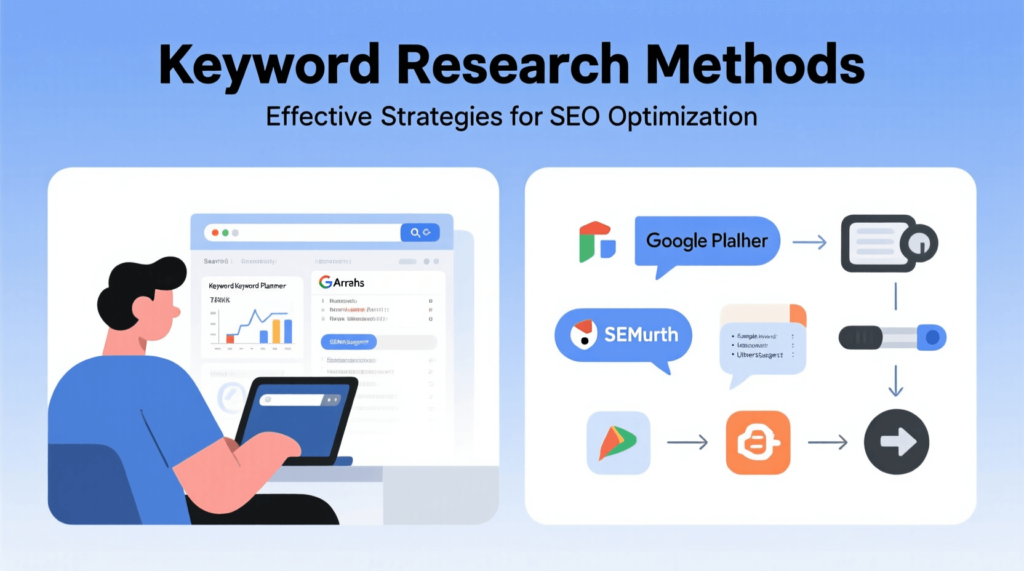
Keyword Research Methods
Keyword research identifies terms that attract the right audience. Using multiple methods ensures coverage of volume, intent, and competition. Accurate selection improves visibility, engagement, and enrollment for courses.
Tools & Platforms
Several platforms provide data for informed decisions. Each tool offers unique insights into volume, competition, and relevance.
Google Keyword Planner
A free option for discovering search volume and trends. It suggests related terms and highlights seasonal patterns, helping prioritize high-value phrases.
Ahrefs / SEMrush / Moz
These platforms offer comprehensive insights, including competitor performance, backlink opportunities, and keyword difficulty. They allow course creators to refine targeting based on competition and search metrics.
Ubersuggest
Simplifies term discovery with suggestions and difficulty scoring. Provides search volume, trend data, and potential traffic estimates for selected keywords.
AnswerThePublic
Visualizes questions and common queries around specific topics. Generates question-based terms that can guide content strategy for better engagement.
Competitor Analysis
Examining competitor strategies uncovers gaps and opportunities.
- Competitor course landing pages reveal the terms and phrasing driving conversions.
- Competitor blog posts show which keywords attract traffic and engagement.
- Course review sites highlight terms students use to describe experiences, expectations, or pain points.
Trend Analysis
Tracking trends ensures content matches current demand.
- Google Trends identifies rising topics and seasonal spikes in interest.
- Social media trends indicate hot subjects or questions learners are discussing.
- Forum discussions on platforms like Reddit and Quora provide direct insights into language, phrasing, and concerns of prospective students.
Search Intent Mapping
Understanding intent behind searches allows targeting of terms that lead to action. Queries fall into three categories:
- Transactional: Terms indicating readiness to enroll or purchase.
- Informational: Terms seeking explanations, guides, or knowledge.
Funnel-Stage Alignment
Keywords must match the student journey. Awareness-stage terms attract those just learning about a topic. Consideration-stage terms engage students comparing options. Conversion-stage terms reach those ready to enroll. Aligning terms with these stages ensures content drives meaningful results.
Keyword Metrics
Analyzing keyword metrics is essential for effective course promotion. Metrics provide insights into potential reach, competitiveness, and impact on traffic. Understanding these factors allows creators to prioritize terms that maximize visibility and conversions.
Search Volume
Search volume measures how often a term is queried over a specific period. High-volume terms attract more visitors, while low-volume terms often indicate niche interest. Balancing volume with intent ensures traffic aligns with enrollment goals.
Global vs Local
Keywords can perform differently depending on region. Global terms target international audiences, while local terms focus on specific countries or regions, such as the USA. Local optimization helps reach learners in targeted areas, improving relevance and potential enrollment.
Seasonal Patterns
Many educational topics experience seasonal fluctuations. For example, queries for exam prep or certification programs peak during certain months. Monitoring these trends allows timing content releases to capture higher interest and engagement.
Keyword Difficulty / Competition
Competition measures how challenging it is to rank for a term. Difficulty is categorized as low, medium, or high. Low-difficulty terms are easier to rank for but may have less traffic. High-difficulty terms offer greater reach but require stronger content and SEO effort.
Paid vs Organic Competition
Some keywords have strong paid campaigns in addition to organic competition. Understanding where advertising dominates helps creators decide whether to focus on organic strategies, paid campaigns, or a combination of both for optimal results.
CPC (Cost per Click)
CPC indicates the average cost to run paid campaigns for a term. High CPC often reflects strong commercial intent and potential value. Monitoring CPC helps allocate budgets efficiently and identify opportunities for targeted promotions.
Click-Through Potential
Click-through potential predicts how likely users are to select a result for a given term. Factors include result type, snippet quality, and relevance. High potential indicates better chances for traffic and engagement from targeted searches.

Semantic & Contextual Dimensions of Keywords
Optimizing content semantically improves relevance beyond exact keywords. Search engines interpret meaning, connections, and context to evaluate quality. Applying semantic strategies ensures course content aligns with user intent while covering multiple angles.
LSI Keywords
Latent Semantic Indexing (LSI) terms enhance depth. Related expressions like “digital classroom” or “training outline” support primary focus. They help search engines recognize topic breadth without duplicating phrases.
Related Terms
Incorporating associated concepts strengthens authority. Words such as “online program,” “learning module,” or “instructional material” extend content coverage and signal subject expertise.
Synonyms & Alternative Phrasing
Varying wording prevents redundancy and improves readability. For instance, “virtual workshop” instead of “online course,” or “learning session” instead of “lesson” increases reach across diverse search queries.
Contextual Modifiers
Descriptors refine intent and target audiences. Skill indicators like beginner, intermediate, or advanced guide learners to appropriate levels. Delivery formats including video course, live course, and self-paced specify learning preferences. Outcome-focused phrases such as certification, career growth, or skill mastery highlight value and benefits.
Topic Clusters / Content Silos
Organizing materials into clusters improves clarity and search recognition. Group lessons around related themes such as course creation process, marketing strategies, or engagement techniques. Each cluster addresses a distinct objective while maintaining structural cohesion.
Course Creation Process
Semantic terms related to planning, structuring, and presenting content reinforce relevance. Phrases describing instructional flow, curriculum design, and module sequencing provide context for both learners and search engines.
Marketing for Courses
Incorporating terms associated with promotion and enrollment supports discoverability. Keywords like “learner outreach,” “program advertising,” or “digital campaigns” help connect course offerings to the intended audience.
Student Engagement & Retention
Expressions tied to participation, progress tracking, feedback, and community interaction enhance semantic richness. Highlighting strategies that sustain interest signals value to learners and search platforms.

Technical Implementation of Keywords
Proper technical setup ensures courses are accessible, indexed correctly, and easy to navigate. Structured design supports both learners and search engines, improving discoverability and engagement.
URL Structure with Keywords
Descriptive URLs clarify page content. Incorporating target terms signals relevance to search engines and provides users with immediate context. Logical hierarchies indicate relationships between lessons, modules, and main topics.
Title Tags & Meta Descriptions
Titles summarize content accurately. Including precise terms improves click-through rates from search results. Meta descriptions provide concise explanations, encouraging learners to visit while offering additional contextual signals to search engines.
Headers (H1, H2, H3) with Keyword Inclusion
Structured headings organize information for readability and SEO. Incorporating key terms in H1, H2, and H3 tags emphasizes subject relevance. Hierarchical formatting ensures clear navigation for both humans and indexing algorithms.
Internal Linking for Course Content Clusters
Connecting lessons and modules with internal links reinforces thematic clusters. Links guide learners through related material while signaling content relationships to search engines. Proper interlinking improves authority distribution and site cohesion.
Schema Markup for Courses & FAQs
Structured data communicates course attributes, lesson details, and common questions directly to search engines. Implementing schema enhances search results with rich snippets, improves voice search compatibility, and provides precise answers for queries.
Optimization & Tracking of Keywords
Tracking performance is essential to improve course visibility. Continuous analysis ensures keywords remain effective, content stays relevant, and search rankings reflect audience behavior. Optimization is a cycle of review, adjustment, and measurement.
Performance Tracking of Keywords
Monitor how selected terms perform over time. Track search volume changes, user engagement, and click-through rates. Observing trends helps determine which terms attract the right students and which require refinement.
Ranking Monitoring
Regularly check position in search results for targeted keywords. Identifying drops or gains informs whether adjustments are necessary. Tracking competitors’ performance can reveal opportunities and threats within your niche.
Organic Traffic & CTR
Analyze the number of visitors arriving from unpaid searches. Compare click-through rates for specific keywords to see which pages drive attention. Low CTR indicates content may need stronger titles, meta descriptions, or relevance adjustments.
Content Gap Analysis
Identify missing topics or underdeveloped areas in your courses. Analyze competitors to see which keywords they rank for that you do not. Filling these gaps increases visibility, attracts diverse searches, and strengthens overall course authority.
Adjusting Keyword Strategy Based on Analytics
Use gathered data to refine selection and placement of terms. Remove underperforming keywords, optimize high-potential ones, and update content to reflect evolving trends. A responsive approach ensures continued growth and relevance.
Advanced Concepts / Emerging Trends of Keywords
SEO for courses is evolving rapidly. New tools, techniques, and audience behaviors shape how content reaches students. Staying ahead requires integrating modern methods and understanding emerging trends.
Voice Search Optimization
Voice queries often take the form of complete questions, such as “How do I learn Python online?” Optimizing for these natural patterns ensures smart assistants provide clear, accurate answers. Adapting content to conversational structures improves visibility for learners using mobile devices and home assistants.
AI-Driven Keyword Discovery
Artificial intelligence can identify terms that traditional research might miss. Machine learning analyzes search behavior, competitor strategies, and trending topics to suggest high-value keywords. This enables precise targeting across multiple course topics and niches without relying solely on standard tools.
Check out our detailed blog on Top SEO Tools for Course Creators at RankMyCourse. Learn which tools can help you improve course visibility, reach more students, and optimize your content easily. Read it now for practical tips.
Intent Prediction Using Machine Learning
Predicting user intent enhances course targeting. Algorithms can classify queries into awareness, consideration, and enrollment stages. Aligning content with predicted intent increases the likelihood of attracting students who are ready to engage or enroll.
Multilingual / International Keyword Targeting
Global audiences require language-specific strategies. Terms vary across countries and regions, and search behavior differs by locale. Targeting multiple languages ensures courses reach non-native speakers and international learners. Including regional phrasing improves relevance and boosts visibility in diverse markets.